

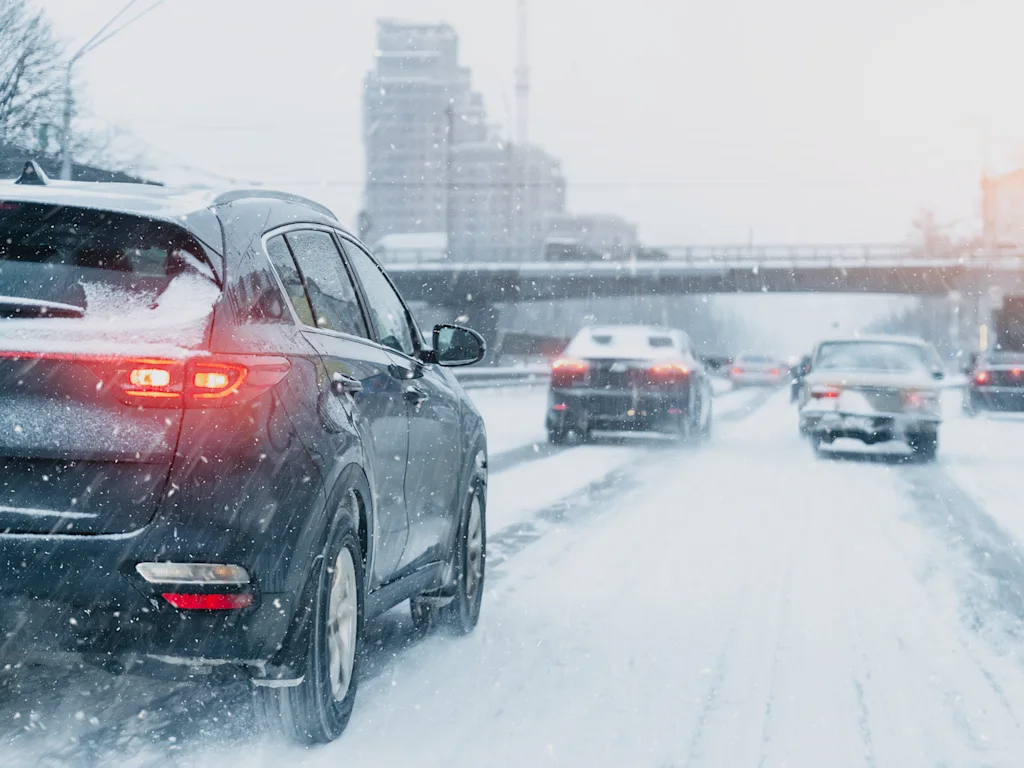
Let’s be honest. When you picture driving an electric vehicle, it’s probably on a sunny, 70-degree day with a perfect breeze. Reality, of course, has other plans. From blistering heatwaves to polar vortex deep freezes, extreme weather throws a unique set of curveballs at EV owners.
But here’s the deal: it’s not all doom, gloom, and a dead battery. With some know-how and planning, your EV can handle more than you think. This isn’t a spec sheet. It’s a real-world look at the experiences, the clever workarounds, and the honest truths of living with an EV when the weather goes wild.
The Big Chill: Winter’s Grip on Your EV
Cold weather is the most talked-about challenge for electric vehicles, and for good reason. Batteries, just like us, prefer a comfortable temperature. When the mercury plummets, chemical reactions inside the battery slow down. This means two things you’ll notice immediately: reduced range and slower charging.
What Actually Happens in the Freeze?
You might see a range drop of 20%, 30%, or even more on the very coldest days. It’s a shock the first time your guess-o-meter recalculates mid-drive. Preconditioning is your absolute best friend here. That’s just a fancy word for warming up the battery and cabin while still plugged in. You use grid power, not battery power, to get everything toasty. It makes a world of difference.
And then there’s the cabin heat. Traditional gas cars use waste engine heat—basically free warmth. An EV has to create heat from scratch, usually with an energy-hungry resistive heater or a more efficient heat pump (a must-have for cold climates, honestly). The trick? Use the heated seats and steering wheel first. They use a fraction of the energy and make you feel warm faster, letting you keep the cabin temp a bit lower.
Winter Wisdom: A Quick Survival List
- Plug in whenever you can, even if you’re not charging. It lets the car manage its battery temperature.
- Garage your car if possible. Just being out of the wind helps.
- Slow down on the highway. Aerodynamic drag is a huge energy suck, and it’s worse in cold, dense air.
- Keep your battery charge above 20% in deep cold. It gives the battery a buffer and reduces stress.
Scorching Summers and Battery Blues
Extreme heat is the silent adversary. While cold saps range visibly, heat stresses the battery’s long-term health. Lithium-ion batteries degrade faster when consistently stored at high states of charge in high temperatures. Think about leaving your phone on a beach towel in the sun—not great for its battery, right? Same principle.
During a heatwave, you’ll use significant energy just to keep the battery cool. The thermal management system kicks in constantly, even when parked. And using the A/C? Sure, it uses power, but it’s far more efficient than a heater. The range hit is usually less dramatic than in winter, but it’s there.
The pro-tip here is about charging habits. In peak heat, try not to fast-charge to 100% and then let the car sit for hours. If you need a full charge, time it so you finish close to when you’ll drive away. Most EVs let you set a charging limit—use it. Setting it to 80% for daily use in summer is a smart move for battery longevity.
Rain, Floods, and Storms: The Wet Stuff
Here’s a pleasant surprise for many new owners: EVs are incredibly robust in wet conditions. The battery pack is sealed like a submarine, and there’s no air intake for an engine to worry about. Driving through heavy rain? Honestly, it’s often less concerning than in a gas car.
But let’s talk about the real extreme: flooding. The advice is the same for all vehicles: do not drive through flood waters. While the sealed components are water-resistant, they aren’t designed to be submerged. And water damage to any high-voltage system is a serious, costly hazard.
Where storms get tricky is with power outages. If a hurricane or blizzard knocks out your electricity at home, your home charger is useless. This highlights the importance of maintaining a higher state of charge when severe weather is forecast. It’s like filling up your gas tank before the storm hits—a modern adaptation of an old habit.
Practical Tips for Any Extreme
Across all these scenarios, some universal strategies emerge. They’re about mindset as much as mechanics.
| Scenario | Key Action | Pro-Tip |
| Extreme Cold | Precondition while plugged in. | Use seat warmers over cabin heat. |
| Extreme Heat | Limit peak charging to 80%. | Park in shade or a garage when possible. |
| Approaching Storms | Charge to 80-90% in advance. | Your EV can be a power source for devices in an outage (if equipped). |
| Long Trip in Bad Weather | Plan charging stops more conservatively. | Target 10-20% arrival charge, not 5%. Buffers are everything. |
And about that trip planning. Apps that show real-time charger availability and health are golden. There’s nothing worse than rolling up to a bank of fast chargers in a snowstorm to find half are out of service. Check before you go.
The Bottom Line: It’s About Adaptation
Owning an EV in extreme weather isn’t a passive experience. You become more attuned to your car’s energy flow, the weather forecast, and your own driving habits. You learn to prep the car the night before a deep freeze. You get savvy about charging timers. In a weird way, you connect with the machine more deeply.
Yes, there are compromises. The spontaneous, I-can-drive-until-empty mindset of a gas car fades. But it’s replaced by a more planned, and often cheaper, relationship with “fueling.” The technology is also rapidly improving—heat pumps are becoming standard, battery chemistry is getting more resilient, and charging networks are (slowly) growing more reliable.
So, is it worth it? For most who take the plunge, the answer is a resounding yes. The smooth, quiet drive, the low maintenance, the home charging convenience—those benefits shine in any season. You just learn to pack a little extra patience, and a lot of extra knowledge, for the journey.


