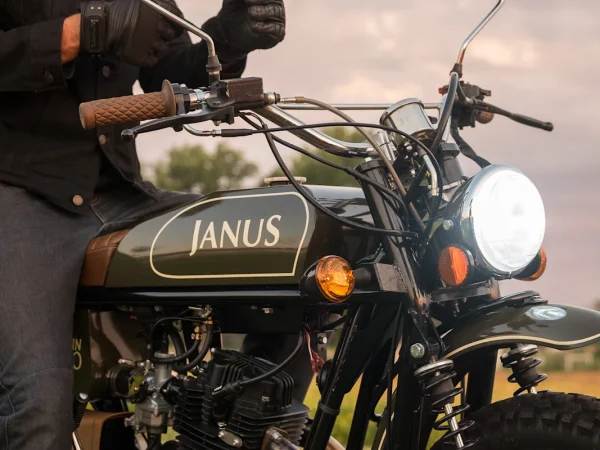
Let’s be honest. The daily grind of city traffic is soul-crushing. You’re not a sardine in a metal box, you’re a person who wants to feel something on the way to work. That’s where the shift is happening. A quiet revolution, rolling on two wheels. Forget the bulky maxi-scooters and anonymous commuter bikes. Today’s savvy urban rider is turning to minimalist and scrambler builds. They’re not just motorcycles; they’re a statement of efficiency, style, and pure, unadulterated fun.
Why the City Craves Less
Here’s the deal. Urban commuting presents a unique set of puzzles. Tight parking, narrow filtering lanes, potholes that swallow small cars, and the constant need to be agile. A massive touring bike or a complex sports bike? Overkill. They’re like bringing a broadsword to a fencing match.
Minimalist and scrambler motorcycles, on the other hand, are the perfect urban tool. They’re the Swiss Army knife of the asphalt jungle. The philosophy is simple: strip away everything unnecessary. Less weight, less clutter, less to worry about. What you get is a machine that’s responsive, easy to maneuver, and, frankly, a joy to just look at in a sea of bland sedans.
The Allure of the Minimalist Cafe Racer
The minimalist build, often born from the cafe racer ethos, is about reduction. It’s the art of subtraction. Think of a classic bike—maybe a Honda CB, a Yamaha XS, a Triumph Bonneville—pared down to its absolute essence.
We’re talking a solo seat, a tiny headlight, maybe no speedometer, and handlebars that put you in a lean, engaged position. The frame and engine become the art. The benefits for city riding are huge:
- Lightweight Agility: You can flick it through traffic with a flick of the wrist. Parking is a dream.
- Mechanical Simplicity: Fewer parts mean fewer things to break. You learn every nut and bolt, which builds a real connection to your ride.
- Unmatched Style: In a world of sameness, a clean, minimalist bike stands out. It’s personal. It’s yours.
The Scrambler’s Urban-Ready Grit
Now, the scrambler. If the minimalist is a tailored suit, the scrambler is a perfectly broken-in leather jacket. It whispers adventure, even if your biggest obstacle is a gnarly speed bump or a cobblestone backstreet. Born from bikes modified for off-road racing, modern scrambler builds for urban commuting borrow that tough, ready-for-anything attitude.
Key features? Higher suspension, blocky tires that laugh at potholes, a more upright riding position for visibility, and often a high-mounted exhaust. It’s the bike that says, “My commute might include a shortcut through a vacant lot.” It’s practical rebellion.
The Practical Magic: Where Form Meets Function
Sure, they look cool. But the real magic is in how these builds solve real urban commuting pain points. Let’s break it down.
| Urban Challenge | Minimalist Solution | Scrambler Solution |
| Traffic Filtering & Lane Splitting | Narrow profile, tight turning radius | Upright riding for better view, wide bars for control |
| Poor Road Surfaces | Lightweight for quick corrections | Knobby tires, longer suspension travel |
| Theft & Parking Anxiety | Less visually tempting to some thieves, easier to manuever into tight spots | Rugged appearance may deter casual vandalism |
| Cost of Ownership | Simpler mechanics, easier DIY maintenance | Durable components built for rougher use |
And there’s the fuel efficiency. These are often built around mid-size engines—300cc to 900cc—that sip fuel compared to a car. You get performance that’s more than enough for city speeds without the guilt or the constant gas station visits.
Building vs. Buying: The Soul of the Machine
This is where the culture gets deep. For many, the journey is as important as the destination. Starting with a used, donor bike and creating your own custom urban scrambler or minimalist cafe is a rite of passage. You solve problems. You learn. The bike becomes a reflection of your needs.
Maybe you weld on a new bracket for a LED light. You choose a seat foam that’s actually comfortable for your 45-minute ride. That connection? Priceless. It transforms commuting from a chore into a experience you crafted.
Of course, the market has caught on. Major manufacturers like Ducati (Scrambler), Triumph (Street Scrambler), and BMW (R nineT Scrambler) offer fantastic factory options. They give you the vibe with modern reliability—a perfect gateway into the scene.
A Word of Real Talk
It’s not all Instagram perfection. A stripped-down bike might mean no storage. You’ll feel the wind more. That beautiful, firm seat might test your backside after a while. And building a bike requires time, tools, and a tolerance for frustration. The key is knowing what you’re signing up for. The trade-off for character and agility is, sometimes, a bit of comfort.
The Future of City Riding
So, where is this trend going? Honestly, it’s merging with other movements. We’re starting to see electric minimalist motorcycle concepts that take the simplicity even further—no gears, no clutch, just silent, instant torque. The scrambler ethos is influencing adventure bike design, making them lighter and more city-friendly.
At its heart, this rise isn’t really about motorcycles. It’s about reclaiming your time and your trajectory. It’s a pushback against the anonymous, stressful commute. On a minimalist or scrambler bike, you’re engaged. You smell the city, you feel its temperature changes, you navigate it with your whole body and mind. You arrive at work—or back home—awake, alert, and with a story, even if it’s just about the perfect line you took through that series of bends on the parkway.
In a world that constantly adds more—more notifications, more features, more complexity—choosing a machine built on the principle of ‘less’ is a profoundly personal act of defiance. And a whole lot of fun.